
Eat Whole Foods
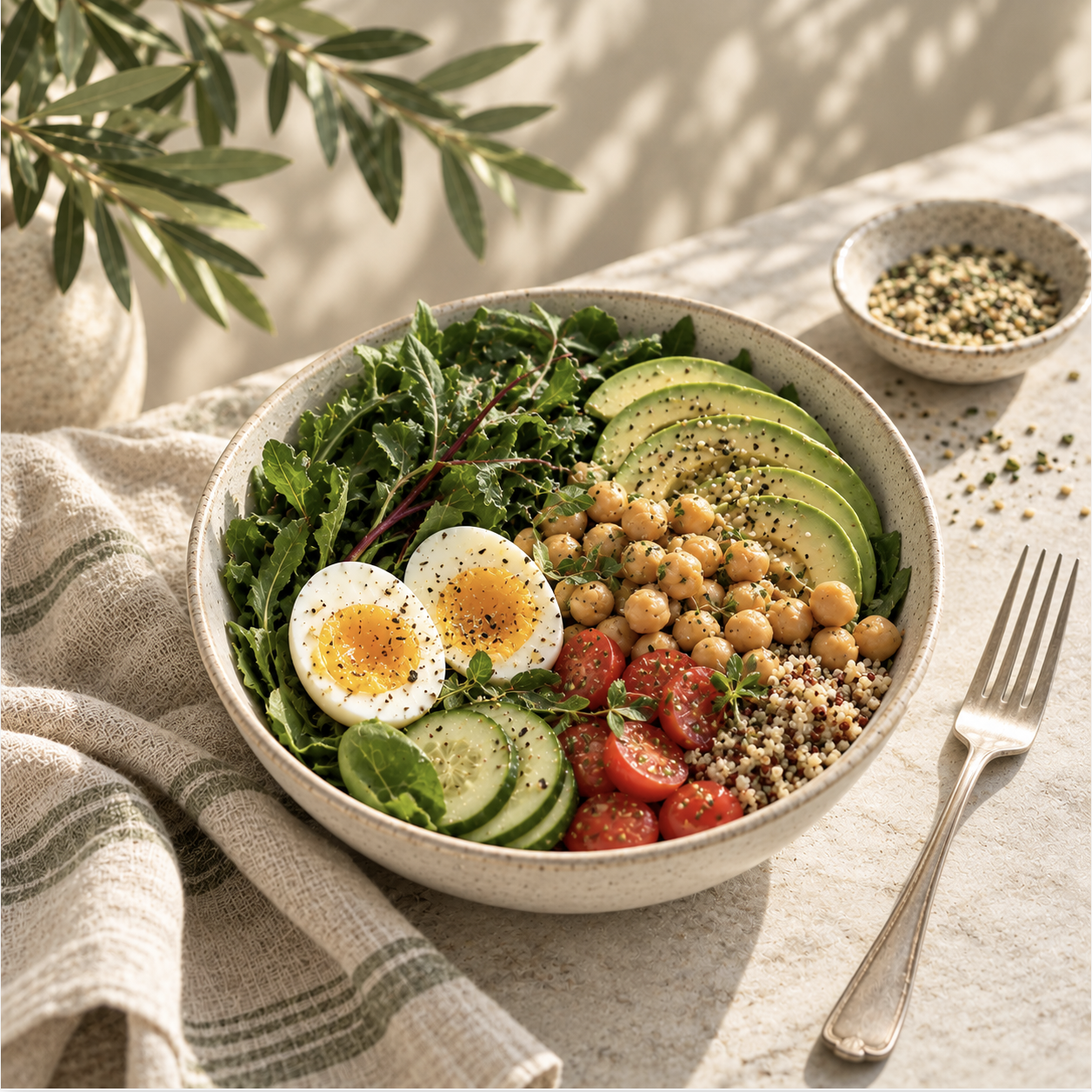
Simple, Nourishing Choices
Whole foods are foods that remain close to their natural form—fruits, vegetables, whole grains, nuts, seeds, legumes, eggs, meats, and other minimally processed foods.
Choosing more whole foods is a simple way to give your body a wider variety of nutrients while naturally reducing many of the added sugars, sodium, and additives commonly found in highly processed foods.
Why Whole Foods Matter
Nutrient density — Whole foods naturally provide vitamins, minerals, and other nutrients the body needs.
Fiber — Fruits, vegetables, legumes, and whole grains provide fiber that supports digestion, gut health, healthy blood sugar, and fullness.
Fewer additives — Eating foods closer to their natural state generally means fewer artificial colors, flavors, preservatives, and other additives.
Steadier energy — Fiber, protein, and healthy fats help slow digestion and can support more stable blood sugar and energy.
Natural fullness — Whole foods are often rich in fiber and water, which can help you feel satisfied.
Shop Local & In Season
Farmers markets and local farms can be wonderful places to find fresh, seasonal foods.
Locally grown produce is often harvested closer to ripeness, and buying directly from growers also gives you an opportunity to ask about how your food was grown or produced.
It's also a simple way to support farmers and businesses within your own community.
Simple Swaps
Healthy eating doesn't have to mean changing everything at once.
Try swapping processed snacks for fresh fruit, choosing whole grains instead of highly refined grains, adding vegetables to meals, or shopping for seasonal produce when it's available.
And read ingredient labels. Knowing what's actually in the foods you buy can help you make choices that work for you.
Keep It Simple
You don't need a perfect diet. Focus on eating a variety of real, nourishing foods and making small choices you can maintain.
Small changes made consistently can add up over time.
